 High Pressure Rotating Swivel-rotary swivel-Yongfeng (Chongqing) New Materials Technology Research Institute Co., Ltd.
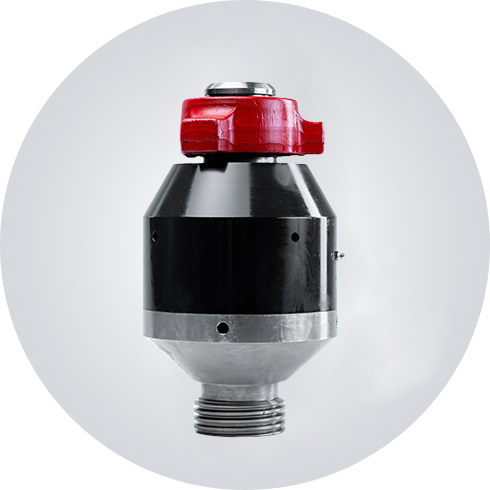
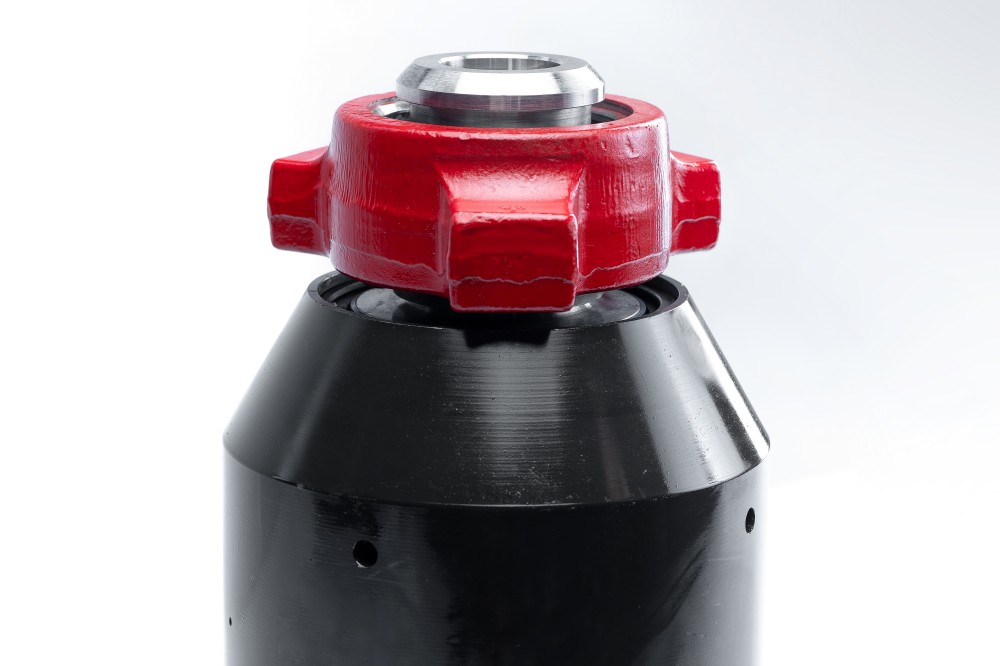
Introduction to rotary faucet: The faucet is a key equipment for the intersection of the three working units of the rotary drilling rig: lifting, rotating, and circulating. The high-pressure output drilling fluid from the mud pump can be introduced into the rotating drill string and the entire weight of the suspended well, while ensuring the free rotation of the drilling tool.
Features: Rotating faucets generally consist of three parts: 1. Bearing system, including: central pipe and its joints, housing, ear shaft, lifting ring, and main bearing. The weight of the drill string is transmitted to the hook through the square drill rod, center pipe, main bearing, shell, ear shaft, and lifting ring. 2. Drilling fluid system, including: gooseneck pipe, drilling fluid flushing pipe assembly. The high-pressure drilling fluid flows into the rotating central pipe through the gooseneck and flushing pipe and reaches the drill string. Both the upper and lower parts of the flushing pipe are equipped with drilling fluid sealing devices to prevent high-pressure drilling fluid leakage. The drilling fluid sealing device (flushing assembly) is the most critical component of the faucet and also the weakest link of the faucet. Due to the high pressure and strong grinding ability of drilling fluid, even a slight leakage can accelerate the damage of seals and flushing pipes; There is a dynamic seal between the flushing tube and the central tube that rotates or does not rotate. 3. Auxiliary systems, including: straightening bearings, anti bounce bearings, and oil sealing devices. The inner cavity of the shell forms an oil pool to lubricate the main bearings, supporting bearings, and anti bounce bearings. The upper and lower oil seal boxes are mainly used to prevent drilling fluid and oil-water leakage into the oil pool and oil leakage, ensuring the normal operation of all bearings. The upper and lower supporting bearings are radially positioned on the central tube to ensure its stable operation. Anti bounce bearings are used to withstand the impact and vibration transmitted by the drill string during the drilling process, preventing axial movement of the central pipe.